
The Great Migration
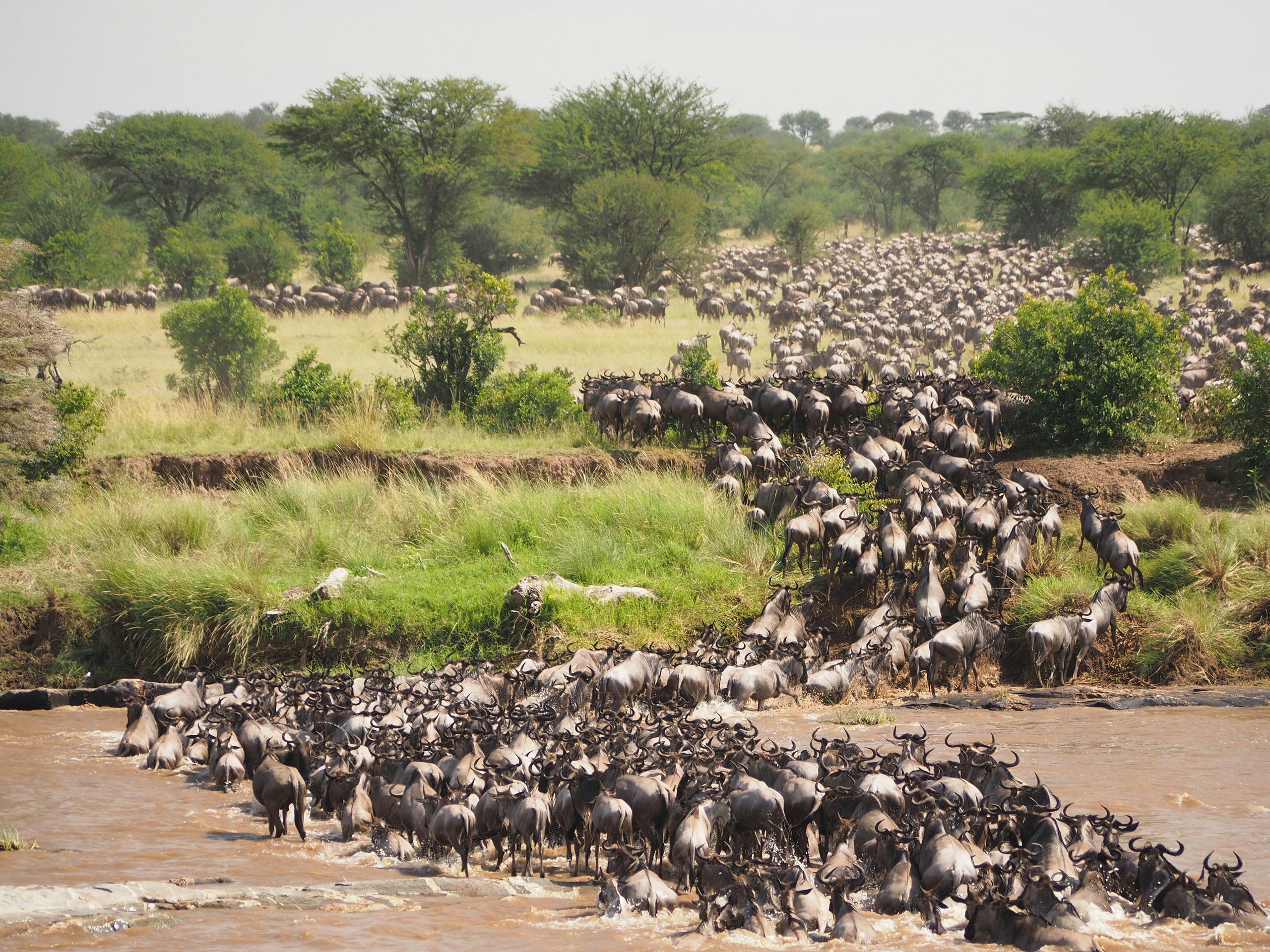
River crossings in the north from July, calving on the southern plains in February.
Northern Circuit
Endless plains, endless movement.
Overview
The Serengeti is less a park than a weather system made of animals. Fourteen thousand square kilometres of short-grass plain, kopje and riverine forest, it holds the largest terrestrial mammal migration left on earth, with roughly 1.3 million wildebeest and 250,000 zebra moving in a slow annual loop dictated entirely by rain.
But the migration is only the headline. The southern plains near Ndutu are calving grounds in February, thick with newborns and the predators that follow them. The central Seronera valley holds resident lion prides and some of the most reliable leopard sightings in Africa. In the far north, the Mara River draws crossings that are as chaotic as anything in nature.
We plan Serengeti days around the light and the herd, not the clock. That usually means early starts, a long unhurried breakfast in the bush, and camps that move with the animals rather than waiting for them to come back.
Highlights
River crossings in the north from July, calving on the southern plains in February.
Seronera's lion prides, kopje leopards and cheetah hunting the open short grass.
Lift off before dawn and drift over the herds, landing to a bush breakfast.
The Maasai word siringet means 'the place where the land runs on forever'.
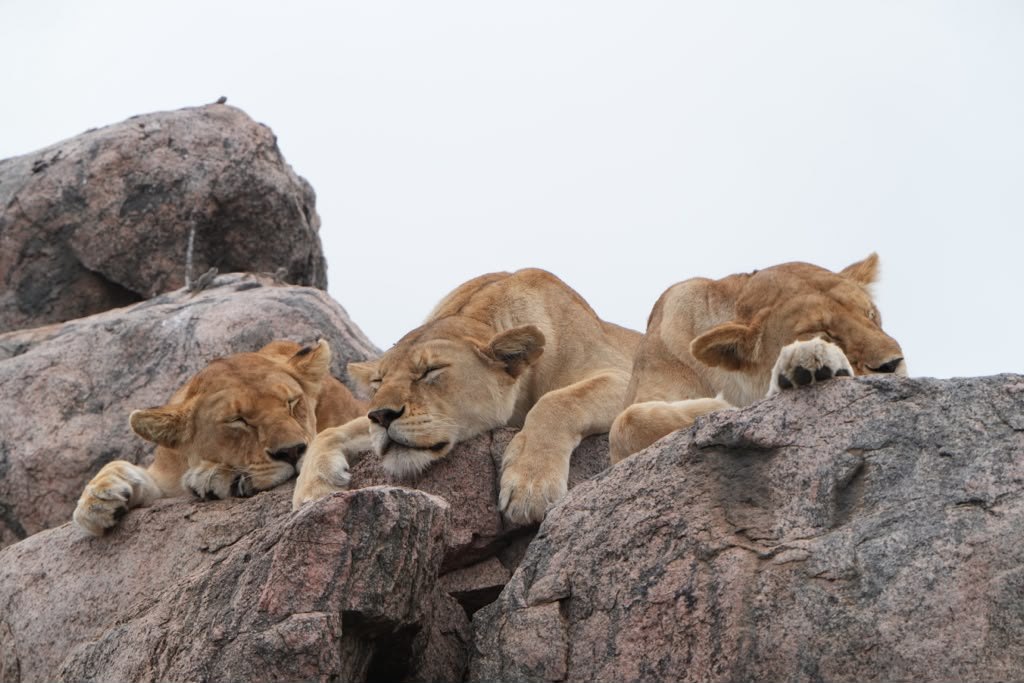
Ancient rock islands where lions sun themselves and hyrax scatter underfoot.
Small camps that relocate seasonally to stay within reach of the herds.
Best Time to Visit
Serengeti is a year-round destination, and what changes is where you should be. December to March puts you on the southern plains for calving and predator action. June to July follows the herds west and north. August to October is peak Mara River crossing season in the far north. April and May bring green, quiet and lower rates, with some tracks turning heavy.
Calving
Southern plains, newborn wildebeest, intense predator activity.
Dec – Mar
Migration North
Herds move through the western corridor and Grumeti.
Jun – Jul
River Crossings
Mara River drama in the far northern Serengeti.
Aug – Oct
Green Season
Lush, quiet, excellent value and superb birding.
Apr – May
Quick Facts
Best For
First safaris, the Great Migration, big cats, photography
Getting There
1hr light aircraft from Arusha, or a scenic 8hr drive via Ngorongoro
Ideal Trip Length
3 – 4 nights
We will build the route, the season and the pace around you, then hand you to a guide who knows this place by heart.